You fall asleep feeling ordinary, maybe even relieved that tonight will be different. Then somewhere around 2 am, you wake up damp again. Your shirt is stuck to your back, the sheets feel cool and heavy, and you are suddenly wide awake in the middle of the night for no obvious reason. A few nights pass without much drama, then it happens again. That uneven rhythm can be one of the most frustrating parts of night sweats and hormones in perimenopause. It is not always a steady pattern. Often, it comes and goes just enough to make you doubt what your body is doing.
Night sweats are one of those symptoms that can feel random from the outside, but they often have a pattern once you look closely. In perimenopause, estrogen does not simply decline in a neat line. It can rise and fall unevenly, and those shifts can affect the part of the brain that helps regulate temperature. According to Mayo Clinic, hot flashes and night sweats are common during the menopausal transition, and sleep disruption often comes along with them. The body may be working harder than usual to keep its internal thermostat steady, especially during the night when you are less distracted and more likely to notice the change.
That is part of why the experience can feel so inconsistent. You may sleep well for several nights, then suddenly wake drenched again. You may change pajamas once, then twice in the same night. You may start to notice that the sweats are more likely after a stressful day, after alcohol, or during a stretch of poorer sleep. The symptom is not always constant, but it is often repeatable in its own quiet way. That repeatability is what makes it worth paying attention to. It can help you see that your body is not acting out of nowhere. It is responding to a shifting hormonal landscape.
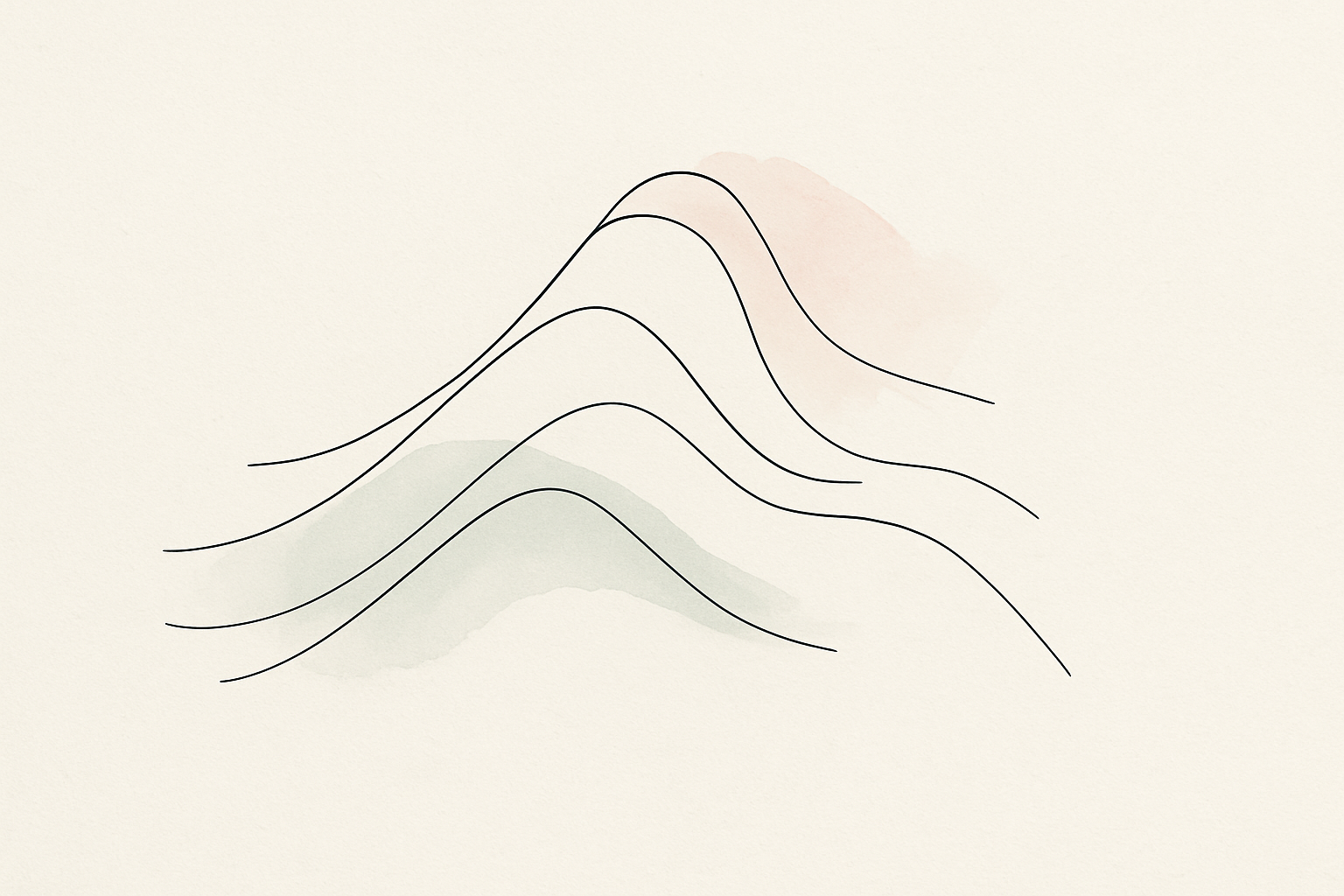
For many women, the first clue is not just the sweating itself but the pattern around it. Maybe the room is not especially warm. Maybe your bedding has not changed. Maybe you were sleeping fine for a few days and then, without warning, the cycle starts again. That back and forth is very typical of perimenopause, the years before menopause, when hormone levels can swing more dramatically than many people expect. The transition is often less of a straight descent and more of a wavering line. That wavering is one reason symptoms can feel confusing. You can have a week that makes you think things are settling, then another that reminds you they are not.
Sleep and temperature control are closely linked. When a night sweat wakes you, it is not only the dampness that bothers you. It is the interruption. Your body may move from sleep into alertness very quickly, and once that happens, it can be hard to settle back down. The Sleep Foundation notes that night sweats can fragment sleep and leave you feeling less rested even if you technically spent enough hours in bed. Over time, that can start to affect energy, patience, and your sense of how well you are coping. Sometimes the sweat is the symptom you notice first, but the more exhausting part is the broken night behind it.
It can help to think of this as a pattern rather than a mystery. If you are waking up damp at 2 am again and again, or changing pajamas more than once a night, that repetition tells you something. If you are sleeping fine for a few days and then suddenly not, that also tells you something. The body is often giving clues before it gives a stable picture. A few small questions can make the pattern easier to see: Does it happen more often in the second half of the night? Does it cluster around stressful weeks? Does it show up more when you have had alcohol, a heavy meal, or a room that feels too warm? None of these details alone explains everything, but together they can help you understand the shape of what is happening.
That kind of noticing can be especially useful because night sweats are not always only about hormones, even when hormones are a major piece of the story. Other things can add to the effect, including medications, thyroid issues, infections, or sleep disorders. If the sweating is severe, new, or paired with other symptoms that do not fit your usual pattern, it is worth bringing up with a clinician. Johns Hopkins notes that night sweats can have several possible causes, so it is reasonable to look at the broader picture rather than assuming every sweaty night is automatically perimenopause. Still, for many women in midlife, the hormonal explanation is the one that best matches the timing and the pattern.
What makes this symptom so draining is that it can make you feel as if your body is unreliable. One night you are fine, the next you are peeling off layers in the dark. That unpredictability can create its own tension. You may start to dread bedtime, or you may find yourself checking the thermostat and the sheets with a kind of quiet suspicion. But the unevenness itself is part of the story. Hormones in perimenopause are often inconsistent before they become lower and more stable after menopause, which is the point in time when periods have stopped for 12 straight months. Until then, the body may keep changing its mind from week to week.
If you are looking for a steadier way to make sense of it, the goal is not to monitor every night perfectly. It is simply to notice whether there is a repeatable pattern underneath the frustration. A few nights of better sleep do not rule out hormone-related night sweats. A bad week does not mean you are back at square one. Often, this symptom moves in waves. Some women find it helpful to keep a loose record of when it happens, what the room felt like, and whether anything else was different that day. Over time, that can make the pattern less emotionally charged and more understandable. If you prefer a simple place to keep track of those shifts, the GenMeno App can help make the pattern feel a little less foggy.
There is something calming, even if not exactly comforting, in realizing that a symptom can be uneven and still be real. Night sweats do not need to happen every night to matter. They do not need to be dramatic to be worth noticing. If your sleep is fine for a stretch and then suddenly disrupted again, that does not mean you imagined the earlier relief. It means your body is moving through a transition that does not follow a tidy script. And once you can see that, the experience can feel a little less like a surprise and a little more like a pattern you are learning to read.