Not feeling like yourself is one of the most quietly disruptive signs of perimenopause. It is the kind of change that can make someone stare at a calendar, a mirror, or a text thread and think, “Who wrote that, and why did it sound like a raccoon trapped in a recycling bin?”
The tricky part is that perimenopause often arrives while life is already full. Work, relationships, aging parents, growing kids, social pressures, and the general chaos of being a person. So when emotions feel sharper, flatter, or more unpredictable, it can be tempting to assume it is a character flaw.
But the collective experience tells a different story. Perimenopause is a transition where hormones can fluctuate, cycles can change, and the nervous system can feel like it is recalibrating mid-flight. Major health organizations describe this phase as a time when physical and emotional shifts can show up together, sometimes in confusing combinations.
Why emotions can feel louder in perimenopause
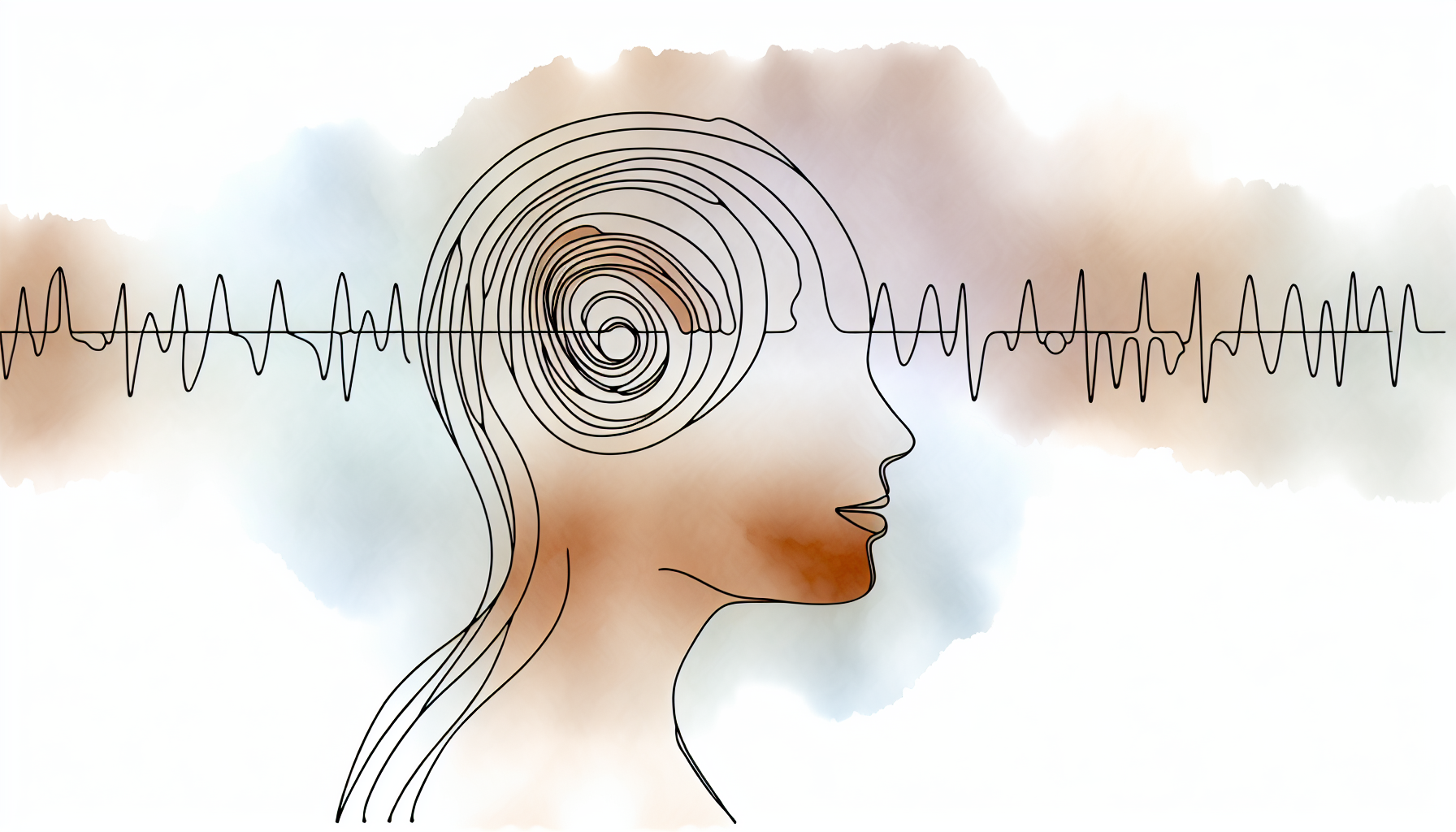
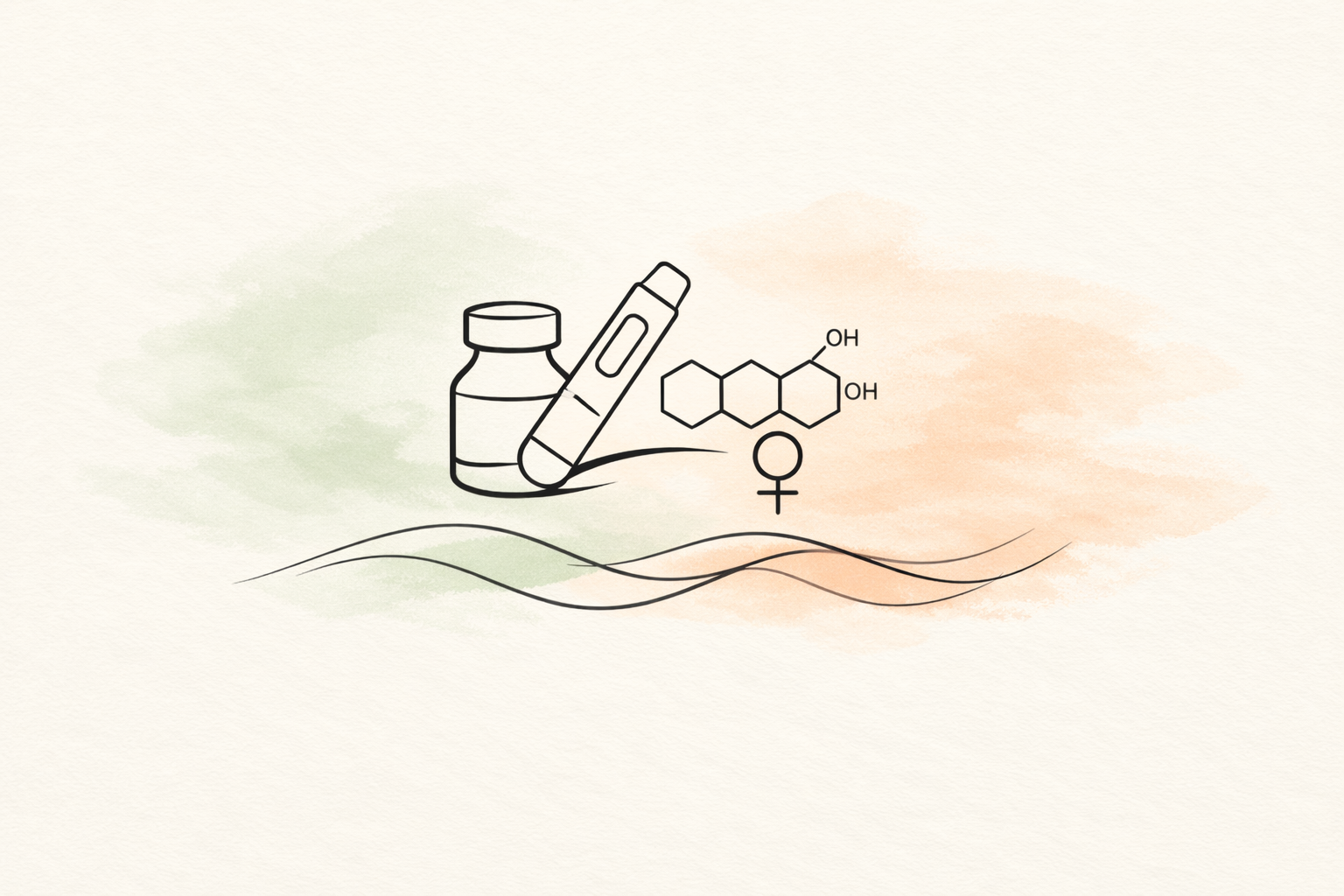
Perimenopause is the stretch of time leading up to menopause, when estrogen and progesterone can rise and fall unevenly. Those hormones interact with brain chemicals involved in mood, sleep, and stress response. When the pattern gets choppy, the emotional weather can get choppy too.
Mayo Clinic notes that perimenopause can include irregular periods and symptoms like hot flashes, sleep problems, and mood changes. The important nuance is that mood shifts are rarely “just mood.” They are often tied to sleep disruption, stress load, and the experience of feeling physically unfamiliar.
This is where self-awareness becomes less of a buzzword and more of a flashlight. Not the blinding kind. The kind that helps someone stop tripping over the same emotional step every month.
The emotional rollercoaster: common patterns that feel personal
Perimenopause mood changes can feel deeply personal, like the emotions are sending a message about relationships, competence, or worth. Often, they are simply sending a message about bandwidth.
Below are common patterns that show up as signs of perimenopause, especially in the Mind and Mood category of this transition.
- Irritability that seems to come out of nowhere
Irritability in perimenopause can feel like a short fuse with a long list of triggers. The dishwasher hum. The email tone. The way someone chews. It can be embarrassing, especially for people who pride themselves on patience.What often helps is noticing the timing and the context. Does irritability spike after a night of broken sleep? After alcohol? During a particular week of the cycle? Pattern observation does not excuse snapping. It simply replaces shame with information, which is a much more useful fuel.
- Anxiety that feels physical, not just mental
Sometimes anxiety shows up as racing thoughts. Sometimes it shows up as a body that feels revved up for no clear reason. A tight chest, a restless sense of urgency, a mind scanning for problems like it is on a deadline.Cleveland Clinic describes perimenopause symptoms that can include mood changes and sleep disruption. When sleep gets shaky, the stress response can get louder. The result can feel like anxiety, even if life has not changed much on the outside.
A practical approach is to separate “anxiety about life” from “anxiety in the body.” Both are real. But they respond to different supports. The body version often softens with steadier routines, fewer blood sugar swings, and less late-night scrolling that convinces the brain it must stay on watch.
- Low mood and the “flatness” no one warned about
Perimenopause is not always a storm. Sometimes it is a fog. A loss of spark. A sense that joy is present but muted, like the volume got turned down.This can be especially confusing for high-functioning people who still show up, still perform, still parent, still lead. The outside looks fine. The inside feels dull.
Major health organizations note a pattern where mood symptoms and sleep problems travel together. When nights are fragmented, the brain has less capacity for emotional regulation and reward. The goal is not to force happiness. The goal is to notice what drains the system and what gently refills it.
- Sudden tears, tender feelings, and the “why am I crying?” moment
Tears can arrive fast in perimenopause. Sometimes there is a clear reason. Sometimes it is a dog food commercial. Sometimes it is a sock on the floor that becomes, briefly, a symbol of everything.It helps to name this for what it is: sensitivity. Not weakness. Not drama. Sensitivity is often the body’s way of saying the load is heavy and the margin is thin.
Some people find it useful to track these moments alongside cycle changes, night sweats, or hot flashes. The point is not to micromanage emotions. The point is to stop being blindsided.
When sleep is the hidden driver of mood
Sleep disruption is one of the sneakier signs of perimenopause because it does not always look dramatic. It can look like waking at 3 a.m. with a brain that suddenly wants to review every awkward conversation since 2009.
The Sleep Foundation notes that menopause and the transition leading up to it can affect sleep, often connected to hot flashes and night sweats. Even mild changes in sleep quality can amplify irritability, anxiety, and low mood.
What usually helps is treating sleep like a relationship, not a performance. A consistent wind-down routine, a cooler bedroom, earlier caffeine cutoffs, and less alcohol close to bedtime can support steadier nights. None of this guarantees a perfect night. But it can help identify the pattern and reduce the “why am I like this?” spiral.
Practical ways to support emotional steadiness (without pretending it’s easy)
Perimenopause can invite a different kind of strength. Not the hustle kind. The honest kind. The kind that admits the nervous system has limits.
- Track the pattern, not every feeling
A simple check-in works: sleep quality, cycle changes, stress level, alcohol, caffeine, and big emotional spikes. Over time, the pattern often becomes clear enough to be useful, without turning life into a spreadsheet. - Stabilize the basics before “fixing” the personality
When emotions feel off, it is tempting to go straight to self-criticism. Often, the better first step is food, hydration, movement, and rest. Not as a moral project. As nervous system maintenance. - Create a pause between feeling and acting
Perimenopause can shrink the space between impulse and reaction. A short pause, a walk to refill water, a few slow breaths, or stepping outside can restore enough space to choose a response. - Use language that reduces shame
Instead of “Something is wrong with me,” try “Something is shifting in me.” The second phrase does not romanticize it. It simply makes room for curiosity, which is often more stabilizing than judgment.
When “not feeling like yourself” is also an invitation
Perimenopause can feel like losing a version of the self that once handled everything with less effort. That loss is real. It deserves compassion, not minimization.
But there is also an invitation hidden inside the mess. The invitation is to notice what has been tolerated for too long, what boundaries have been too soft, and what needs have been postponed. Not in a dramatic reinvention way. In a steady, grounded way that honors the body’s signals.
For many, the most powerful shift is moving from confusion to naming. Naming mood swings as a possible sign of perimenopause. Naming sleep disruption as a contributor. Naming irritability as a clue about an overloaded system. That naming does not erase hard days, but it can reduce the loneliness of them.
And if the emotional rollercoaster shows up again tomorrow, it does not mean failure. It means the body is communicating. The goal is not perfection. The goal is understanding the signal, one pattern at a time.