Perimenopause often introduces changes that couples did not expect. Sleep may become lighter. Mood can shift more easily. Energy levels fluctuate. Another change many women notice is weight gain that feels difficult to explain.
From the outside, it can look like a lifestyle issue. From the inside, it often feels confusing. Eating habits may not have changed much, yet body composition slowly shifts.
One reason involves hormones that regulate metabolism and appetite. Among them is GLP-1, a hormone that helps the body manage hunger signals, blood sugar, and how energy is stored.
Understanding what is happening biologically can help couples approach this stage with more clarity and less frustration.
Why Weight Changes During Perimenopause
Perimenopause is the transition period before menopause, when estrogen levels begin to fluctuate and gradually decline. These hormonal shifts influence several systems in the body that affect metabolism.
Research from organizations such as the Mayo Clinic and the National Institutes of Health shows that during this transition women may experience:
• slower metabolic rate
• changes in fat distribution, especially around the abdomen
• shifts in appetite regulation
• increased insulin resistance in some cases
These changes often happen even when diet and activity levels remain similar to earlier years.
The body is not malfunctioning. It is adjusting to a different hormonal environment.
The Role of GLP-1
GLP-1, or glucagon-like peptide-1, is a hormone released in the gut after eating. It plays an important role in regulating appetite and blood sugar.
GLP-1 helps the body in several ways:
• signals the brain to reduce hunger
• slows stomach emptying so fullness lasts longer
• stimulates insulin release to control blood sugar
• helps regulate energy balance
During perimenopause, estrogen fluctuations may affect how the brain responds to these appetite signals. Some research suggests that the body may become less sensitive to these signals, which can make hunger cues less predictable.
This does not mean a person suddenly lacks discipline. It means the hormonal signals that normally regulate appetite are shifting.
Why These Changes Can Affect Relationships
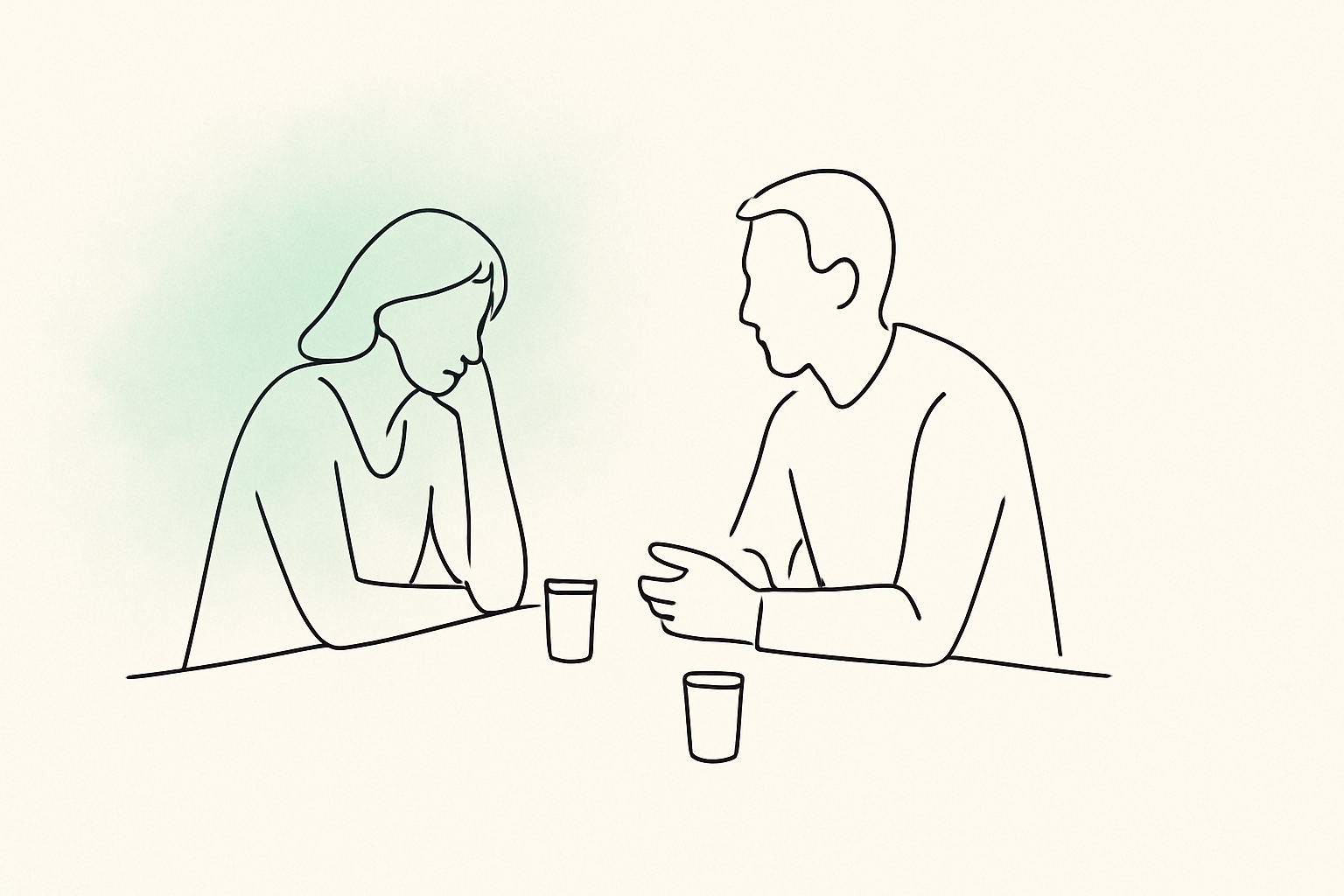
When unexplained weight gain happens, it can easily lead to tension or misunderstanding in a relationship.
Partners may notice changes but not fully understand the biological reasons behind them. Comments about food, exercise, or body changes can unintentionally feel critical or dismissive.
What helps most is recognizing that these changes are physiological, not personal failures.
When couples understand the biology behind perimenopause, the conversation often shifts from blame to support.
What Support Often Looks Like
Partners do not need to solve perimenopause. What matters most is creating an environment where changes can be discussed openly and without judgment.
Several habits tend to strengthen support during this stage.
Open, Neutral Conversations
Talking about body changes can be sensitive. Instead of focusing on weight itself, conversations can center on overall well-being, energy levels, and health.
A supportive approach focuses on listening rather than offering quick solutions.
Shared Lifestyle Habits
Couples who move together often find it easier to maintain consistent routines.
This could include simple activities such as:
• evening walks
• weekend hikes
• yoga or strength training classes
• preparing balanced meals together
These shared habits support health while reinforcing partnership.
Understanding Energy Fluctuations
Perimenopause often brings fatigue, sleep disruption, and temperature shifts at night. When energy levels fluctuate, expectations around productivity or social activities may need adjustment.
Recognizing these patterns helps partners avoid misinterpreting fatigue as disinterest or disengagement.
Focusing on Health, Not Just Weight
Midlife health is influenced by many factors beyond the number on a scale. Strength, metabolic health, sleep quality, and emotional well-being all matter.
Shifting attention toward these broader markers of health can reduce pressure and create a more supportive environment.
Noticing Patterns Over Time
Many women find it helpful to observe how daily habits interact with symptoms during perimenopause.
Patterns sometimes appear around:
• sleep quality and appetite
• stress levels and cravings
• meal timing and energy levels
• exercise and mood
Tracking these patterns over time can help bring clarity to what supports better balance.
Some couples choose to review these patterns together. This shared awareness often improves communication because both partners can see how symptoms evolve over time rather than relying on assumptions.
Navigating Perimenopause Together
Perimenopause is not only a biological transition. It is also a relational one.
When couples understand the hormonal changes behind symptoms like weight gain, they are often better able to respond with patience and empathy.
GLP-1 is only one piece of the larger hormonal system that shifts during this stage of life. But learning about these mechanisms can help remove some of the confusion that surrounds midlife body changes.
With curiosity, open communication, and shared support, many couples find that this stage becomes less about managing symptoms and more about understanding the body in a new way.