You fall asleep fine, then wake at 3 am for no clear reason. Or you feel tired enough to go to bed, but the moment your head hits the pillow, your mind turns sharp and restless. Trouble sleeping menopause often looks like that: not one bad night, but a repeating pattern of light sleep, middle-of-the-night waking, and that odd mix of exhausted and wired. In perimenopause, and sometimes after the final menstrual period too, sleep can become less predictable even when your bedtime routine has not changed much.
That pattern can be confusing because it does not always feel like classic insomnia. Some nights are almost normal. Other nights are broken in a way that seems random. But when sleep gets unsettled in menopause, there is often a reason the body keeps circling back to the same kind of night.
Why sleep can change in menopause
The short version is that shifting hormones can affect the systems that help you stay asleep. Estrogen and progesterone both play a role in sleep, temperature control, and how calm or alert your body feels at night. As those levels rise and fall in perimenopause, sleep can become lighter and more easily interrupted. The NIH and NAMS both note that sleep changes are a common part of this transition.
That does not mean hormones are the only factor. Stress, blood sugar swings, hot flashes, alcohol, caffeine, pain, and an irregular schedule can all make the pattern louder. Often, menopause does not create a brand-new sleep problem so much as expose a body that has become easier to wake and harder to settle again.
What the pattern can look like
People often expect sleep trouble to mean not being able to fall asleep at all. In menopause, it is often more specific than that.
- Waking at 3 am and feeling alert for no obvious reason
- Feeling tired at night but wired in bed, as if the body missed the memo to slow down
- Sleeping lightly for several nights in a row, then feeling worn out by the smallest interruption
- Falling asleep okay, then waking again and again before morning
- Sleeping enough hours on paper but still waking unrefreshed
These patterns matter because they tell you something useful. A single rough night can happen to anyone. A repeating pattern suggests your sleep is being nudged by something consistent, even if that something is not obvious yet.
Why 3 am wake-ups happen so often
Middle-of-the-night waking is one of the most common complaints in menopause. It can happen when sleep is lighter overall, when body temperature rises overnight, or when stress hormones are more active than you realize. Sometimes the trigger is physical, like a hot flash. Sometimes it is quieter, like a body that has learned to stay on alert.
There is also a simple truth here: the second half of the night is lighter sleep for many people anyway. If menopause has already made sleep more fragile, that lighter stretch can become the point where you wake fully. Once awake, the mind often jumps in fast. That is when ordinary worries suddenly feel urgent.
If this sounds familiar, it may help to ask yourself two calm questions:
- Does the waking happen at roughly the same time most nights?
- Do I notice heat, anxiety, hunger, or a racing mind right before I wake?
Those details can turn a vague complaint into a clearer pattern.
When tired and wired happen together
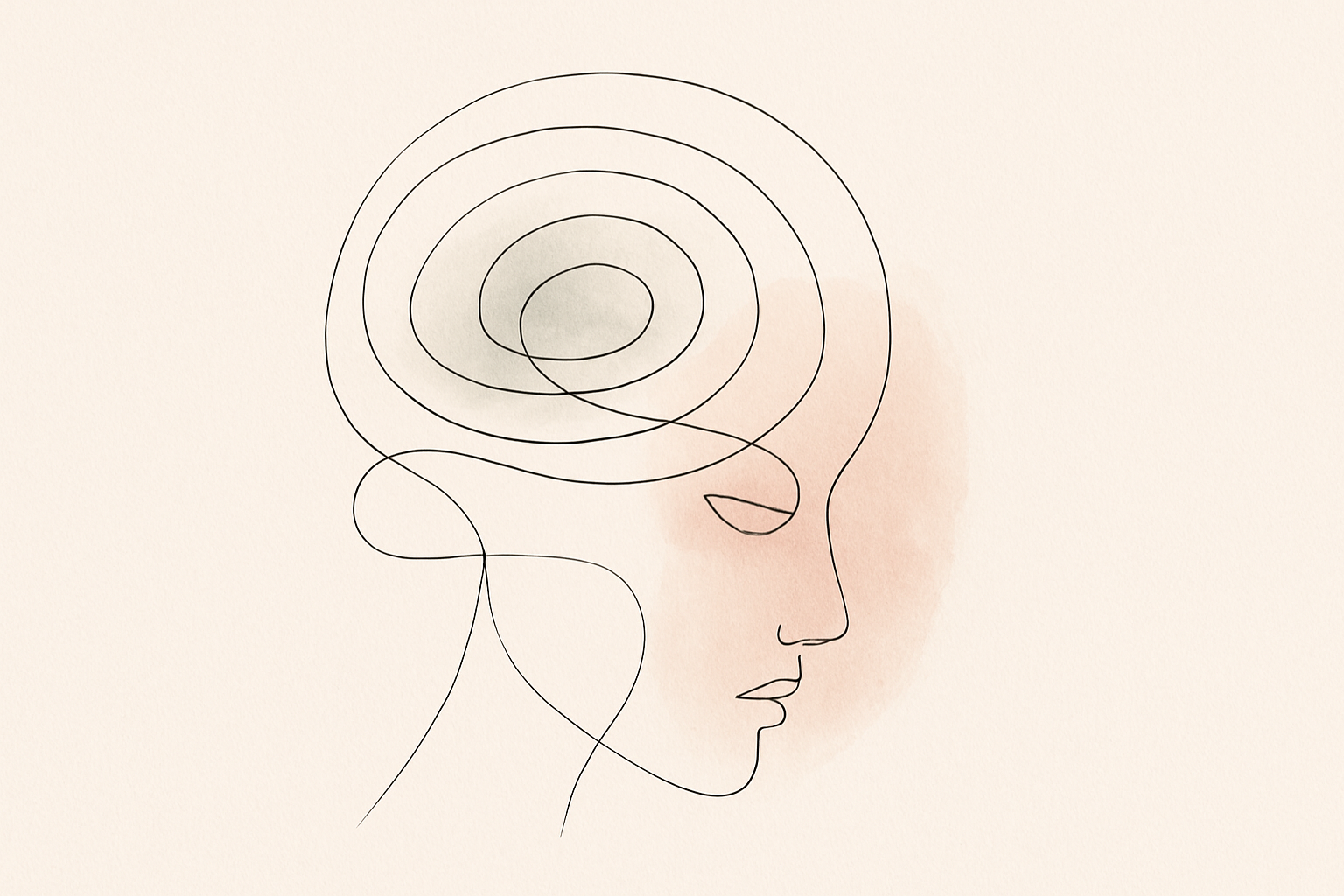
This is one of the most frustrating parts of Trouble sleeping menopause. You feel drained all day, but at bedtime your body behaves as if it has other plans. The sleep drive is there, yet the nervous system does not fully power down.
That can happen for a few reasons. A long stretch of poor sleep can make the body more reactive. Stress can keep cortisol higher than you would like. Hot flashes and night sweats can also push the body into brief bursts of alertness that make it harder to settle back down. The Sleep Foundation and Cleveland Clinic both describe sleep disruption as a common menopause symptom, often tied to these overlapping shifts.
What makes this pattern tricky is that it can look like a willpower problem when it is not. You are not failing to relax. Your system may simply be running a little hot at the wrong time.
What helps in a realistic way
The goal is not perfect sleep. The goal is to make the pattern less sticky and give your body a better chance to settle. Small changes often work better than dramatic ones.
- Keep a steady wake time even after a bad night. This helps anchor your sleep rhythm.
- Reduce late caffeine. For some women, afternoon coffee is enough to keep the system humming at 3 am.
- Watch alcohol closely. It may make you sleepy at first, then fragment sleep later in the night.
- Cool the bedroom and use breathable layers if heat is part of the problem.
- Eat enough earlier in the day. Going to bed underfed can sometimes show up as waking in the night.
- Keep the lights low after waking. Bright light can tell the brain it is morning.
- Get out of bed if you stay awake too long. A quiet, dim reset is often better than wrestling with sleep in the same spot.
If your sleep feels irregular from night to night, pattern awareness matters more than perfection. A few notes about bedtime, alcohol, caffeine, hot flashes, exercise, and wake-ups can reveal a lot. That is exactly the kind of repeating picture the GenMeno Pattern Tracker was built for, not to log symptoms, but to help you see what keeps returning.
When the pattern points to something else
Menopause may be part of the story, but it is not always the whole story. Sleep can also be affected by thyroid problems, depression, anxiety, sleep apnea, restless legs, pain, or medications. If you snore loudly, wake gasping, feel unusually sleepy in the day, or have leg discomfort that keeps you awake, it is worth bringing that up with a clinician.
The ACOG notes that sleep problems in midlife deserve attention, especially when they are persistent or start to affect daily life. That is not alarmist. It is practical. The more clearly you can describe the pattern, the easier it is to sort out what belongs to menopause and what may need a different kind of help.
What to notice before you decide it is just random
Sleep problems feel random when we only look at one night at a time. Patterns appear when you step back. You do not need a perfect log. Just enough detail to answer a few basic questions:
- Do I wake at the same hour most nights?
- Do I sleep worse after alcohol, stress, or a hot room?
- Do I feel tired but keyed up at bedtime?
- Are there stretches of several light nights in a row?
- Do I feel better on days when I move, eat, or wind down differently?
Those answers can help you see whether your sleep is being shaped by hormones, habits, or both. Often, it is a mix.
Grounded clarity
Sleep that gets unsettled in menopause is usually not a mystery once you look at the pattern. The body may be waking more easily, cooling less smoothly, or staying alert when it should be drifting down. That can feel discouraging in the moment, but it is also readable. And readable means workable.
If you are waking at 3 am, feeling tired and wired, or sleeping lightly for days at a time, try to notice what repeats before you try to fix everything. The pattern is the clue. Once you can see it, you can respond with a little more precision and a lot less self-blame.