The 3 AM Wake-Up Call
We have all been there: the clock reads 3:00 a.m., and suddenly the chest tightens, thoughts flood in, and the room feels too loud. The first assumption is anxiety. It is easy to believe our minds have betrayed us.
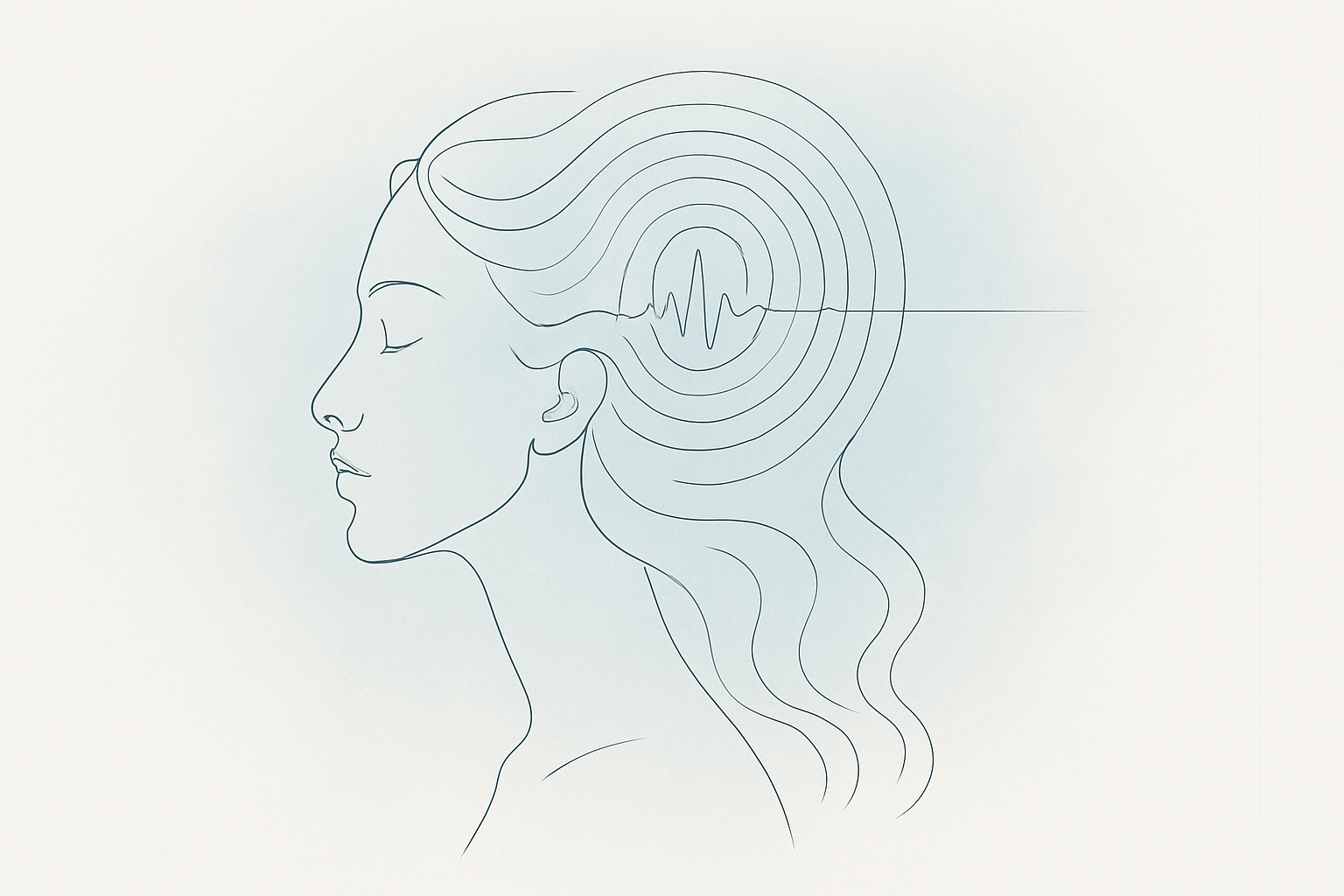
What we often see in the data points to a different storyteller. A cortisol surge in the small hours can be the nudge that wakes us, long before our conscious thoughts catch up.
Why cortisol shows up at 3 a.m.
Cortisol is part of the body’s circadian rhythm. It typically follows a daily pattern: lower in the evening, then climbing before we wake to help mobilize energy for the day ahead.
For many of us, that rise can begin earlier or stronger than expected. The result is a physiological jolt in the night that feels like sudden anxiety. The body wakes first, the mind follows.
How this looks in real life
We see a pattern in the stories people tell. One night, a quiet thought becomes a torrent. Another night, a half-wake fragments into full wakefulness with heart race and sweating.
Sometimes the timing is predictable: it lands at roughly the same hour over weeks. Other times it appears after a stressful day, disrupted sleep schedule, or a night of alcohol. The common thread is a body signal that needs reading, not immediate judgment.
What usually nudges cortisol earlier or higher
- Irregular sleep timing. Shifting bedtimes and wake times confuse the circadian rhythm and can pull cortisol forward.
- Late evening stimulants. Coffee, large meals, or sugar close to bedtime can alter overnight hormone patterns.
- Alcohol. It may seem to help us fall asleep, but it can fragment the second half of the night and affect hormone rhythms.
- Stress and nighttime rumination. Chronic stress re-tunes the HPA axis, making nighttime surges more likely.
How to read the body’s signals
First, we name the pattern. Track when awakenings happen, what preceded that night, and how you felt on waking.
Second, we separate the sequence. Is the wakefulness an initial physiological jolt, followed by anxious thinking? Or does anxious thinking seem to build first? Observing this order helps us understand whether cortisol is the likely trigger.
Third, we notice context. Changes in schedule, travel, alcohol, or a string of stressful days often line up with more frequent 3 a.m. awakenings.
Short, practical habits that usually help
- Keep a steady sleep window. Going to bed and waking at similar times helps anchor the circadian rhythm.
- Mind your evening intake. Aim to finish caffeine and heavy meals several hours before bed and consider limiting alcohol late in the evening.
- Use gentle light cues. Dim lights in the hour before bed and expose yourself to bright morning light to reinforce the daily rhythm.
- Calm the transition to sleep. A short pre-sleep routine, breath work, light stretching, or quiet reading, signals the body it’s time to downshift.
- Write it out. If thoughts replay at night, a brief brain dump earlier in the evening often cuts the loop.
- Temperature and comfort. A cool, comfortable bedroom can reduce the physical stimuli that amplify awakenings.
When anxiety and cortisol both show up
It is important to name that cortisol and anxious thinking can feed each other. A cortisol-driven wake can spur worry. Worry can, in turn, make the next night’s rhythm more fragile.
We find compassion helps more than judgment. When the body wakes us early, noticing rather than battling the sensation reduces escalation.
Realistic expectations
We cannot promise an instant fix. Hormones and sleep rhythms take time to re-align. What we can do is notice the pattern, adjust routines that usually help, and be patient with the process.
Small, consistent habits often shift the frequency and intensity of these wake-ups. Tracking and curiosity are what usually make the difference over weeks, not all-or-nothing attempts at overnight perfection.
What to do in the moment
If you wake at 3 a.m., try to stay in a low-arousal mode. Gentle breathing, soft light if necessary, and a quiet reorientation to the body can prevent the spiral into full wakefulness.
If thoughts flood in, practice noticing them as passing events rather than urgent truths. This stance reduces the emotional charge and often shortens the night awakening.
Above all, remember we are reading signals, not assigning blame. The body is giving information about rhythm and readiness. With steadier routines, those signals usually become less disruptive.
This is a shared experience. We see this pattern often, and with small changes and steady observation, nights can get more predictable and less surprising.