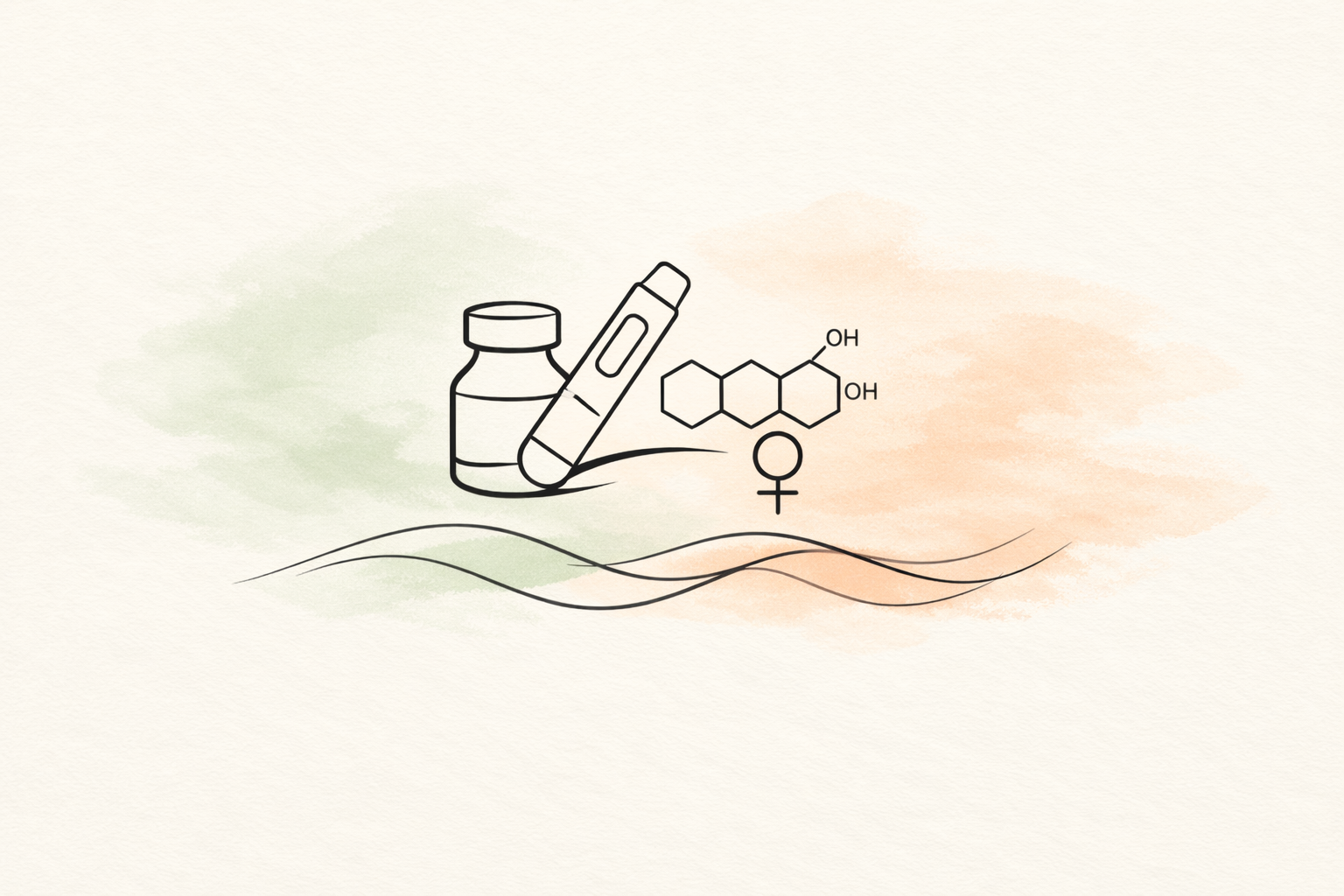
A new menopause headline is making the rounds, and it is easy to see why. Mayo Clinic researchers reported that postmenopausal women using menopausal hormone therapy while taking tirzepatide lost more weight than women taking tirzepatide alone. For women who feel like their body changed the rules somewhere between hot flashes, poor sleep, midsection weight gain, and a metabolism that suddenly stopped cooperating, that kind of news lands with real force.
But this is also the kind of headline that needs a calm read, not a panic Google spiral. The study is interesting. It may point to a meaningful pattern. It does not mean every woman after menopause should rush to combine hormone therapy with a GLP-1 medication, and it definitely does not mean hormone therapy is now a weight-loss treatment.
What the new study actually found
The Mayo Clinic team looked at 120 postmenopausal women with overweight or obesity who had been treated with tirzepatide for weight management for at least 12 months. Of those, 40 were using systemic hormone therapy and 80 were not. After matching the groups for factors like age, BMI, menopause type, previous obesity medication use, and diabetes status, the researchers found that women using hormone therapy had greater average weight loss at the last follow-up.
The average total body weight loss was 19.2% in the hormone therapy group versus 14.0% in the non-hormone therapy group. That is where the “35% more weight loss” headline comes from. It is a relative difference, not an extra 35 percentage points of body weight.
That distinction matters. Otherwise, a reader could walk away thinking one group barely lost weight and the other group had some dramatic, near-miraculous response. That is not what happened. Both groups lost a meaningful amount of weight. The hormone therapy group simply did better on average.
In real-life terms, if someone started at 200 pounds, those averages would roughly translate to about 38 pounds lost versus about 28 pounds lost. That is a meaningful gap. It is not magic, and it is not a guarantee.
The study also found that more women in the hormone therapy group reached larger milestone thresholds, including at least 20%, 25%, and 30% weight loss. Both groups saw cardiometabolic improvements, while the hormone therapy group also showed extra improvement in some markers including diastolic blood pressure, triglycerides, and AST.
Why this matters after menopause
Weight changes in menopause are not just about willpower. Menopause is linked to shifts in body composition, fat distribution, energy expenditure, sleep, and cardiometabolic risk. Many women notice that the same habits that used to work no longer work the same way. The number on the scale may move slowly, while abdominal fat seems to settle in like it signed a lease.
That experience is not laziness, and it is not imagined. Midlife weight change often happens inside a bigger physiological shift. Sleep gets lighter. Hot flashes interrupt the night. Recovery feels slower. Stress tolerance drops. Muscle mass can quietly slip. The body is not broken, but it may no longer respond like it did ten years earlier.
The Menopause Society describes hormone therapy as FDA-approved first-line treatment for bothersome hot flashes and notes that it is the most effective treatment for vasomotor symptoms. ACOG also notes that hormone therapy by itself does not lead to weight loss.
That is exactly why this study caught attention. It raises the possibility that in women who already have a clinical reason to use hormone therapy, symptom treatment may help tirzepatide work better. Researchers suggested a few possible reasons. Women whose symptoms improve may sleep better, feel better, and stay more engaged with food, movement, and follow-through. The authors also pointed to preclinical data suggesting estrogen may enhance the appetite-suppressing effects of GLP-1 based medications.
What this study does not prove
This is the part that matters most. The study was observational and retrospective. Researchers looked back at existing records rather than randomly assigning treatments. That can show an association, but it cannot prove cause and effect.
Even the study authors were careful here. They explicitly said that because this was not a randomized trial, they cannot say hormone therapy caused the additional weight loss. Women using hormone therapy may have differed in other ways that also helped them succeed. They may have had better symptom relief, better sleep, better quality of life, or stronger follow-through with lifestyle changes.
The sample was also relatively small. Only 120 women were included, and 94% were White. The mean age was 56.4 years. So while the findings are promising, they are not universal. This should be treated as an important signal, not a final answer.
This was also not the first hint of this pattern. A 2024 study on semaglutide in postmenopausal women found that hormone therapy use was also associated with a better weight-loss response. That does not prove the tirzepatide finding, but it does make the signal more interesting.
Should someone start hormone therapy just to lose weight?
Based on what we know right now, no. Hormone therapy should not be started solely as a weight-loss strategy. It remains a treatment for menopause symptoms and, for some women, part of a broader conversation about quality of life, symptom control, and sometimes bone health.
ACOG explains that hormone therapy is not appropriate for everyone. Decisions depend on personal history, age, time since menopause, symptom pattern, route of treatment, and risk factors such as blood clots, stroke, hormone-sensitive cancers, and liver disease. This is why menopause treatment should be individualized, not copied from a headline or a friend’s prescription list.
What about tirzepatide itself?
Tirzepatide is the active ingredient in Zepbound, an FDA-approved medication for chronic weight management in adults with obesity, or adults with overweight plus at least one weight-related condition, alongside a reduced-calorie diet and increased physical activity.
It is not a casual add-on, and it is not side-effect free. According to the current FDA prescribing information, common side effects include nausea, diarrhea, vomiting, constipation, abdominal pain, dyspepsia, fatigue, reflux, and injection-site reactions. The drug also carries a boxed warning related to thyroid C-cell tumors seen in rats and is contraindicated in people with a personal or family history of medullary thyroid carcinoma or MEN2.
That does not mean tirzepatide is wrong. It means it is real medicine with real screening, real follow-up, and real tradeoffs. For some women, it can be a powerful tool. For others, it may not be appropriate, affordable, or well tolerated.
The more useful takeaway for midlife women
The biggest value in this study may not be the headline itself. It is the reminder that menopause weight gain is not one flat problem. It is often tied to sleep disruption, hot flashes, body composition changes, insulin sensitivity, stress load, and how sustainable any plan feels in a real midlife body.
That is why a better question is often not, “What is the one thing that will finally fix this?” It is, “What is getting in the way of this body responding?” For some women, that answer may include untreated hot flashes, fragmented sleep, low muscle mass, inconsistent protein intake, thyroid issues, insulin resistance, or a need for a properly guided obesity treatment plan.
This study does not erase lifestyle foundations. In fact, The Menopause Society notes that lifestyle changes remain the foundation of midlife weight management. What this study suggests is something more nuanced. When menopause symptoms are better managed, some women may be in a stronger position to respond to other treatment tools.
Bottom line
This new Mayo Clinic study is worth paying attention to. In postmenopausal women already taking tirzepatide for overweight or obesity, those using systemic hormone therapy had better average weight-loss outcomes than those who were not. But the research does not prove hormone therapy caused the difference, and it does not justify using hormone therapy as a stand-alone weight-loss fix.
The calmer takeaway is this. Menopause weight changes are real. They are more biological than many women have been led to believe. And the future of treatment may be more personalized than the old advice to simply eat less and try harder. That is good news. It just still needs nuance.
If weight changes feel confusing right now, start with patterns before assumptions. GenMeno’s Stage Finder and symptom logs can help connect sleep changes, hot flashes, energy dips, and body changes into a clearer picture, so the next conversation with a clinician starts from evidence, not frustration.