You settle into bed feeling fine. Sometime after midnight the warmth builds, then surges. You wake soaked, peel off the covers, and minutes later the chill sets in. The clock stares back. Morning arrives whether you slept or not, and a small, ordinary task like choosing what to wear feels sharper than it should. Perimenopause night sweats have a way of rewriting the night and echoing through the day.
When Heat Shows Up After Dark
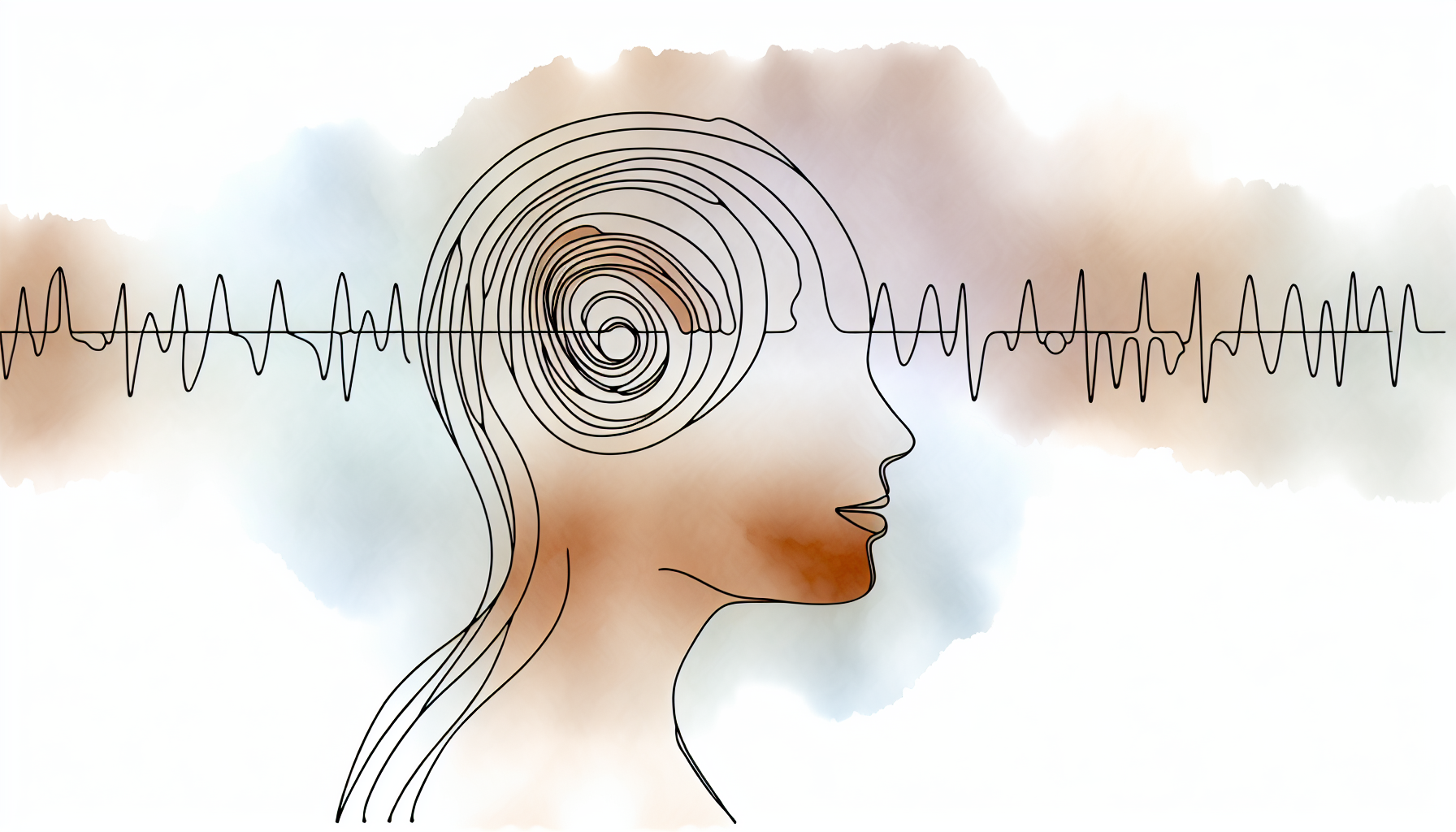
Hot flashes and night sweats are part of the same family of vasomotor symptoms. They can arrive years before the final menstrual period and often come in waves. At night, the body’s natural temperature rhythm is already shifting to help you sleep. When hormones fluctuate, the thermostat in the brain misreads that shift as a problem and hits a quick-cool button. Blood vessels widen near the skin, heat rushes out, sweat follows, and you wake up right in the middle of it.
On paper it sounds mechanical. In a real bedroom it looks like pajamas on the floor, a damp pillow, and a careful dance with the duvet. Some women notice the heat clusters in the early morning hours when sleep is deeper. Others feel a rush soon after falling asleep that knocks the whole night off balance. The timing matters because it shapes the kind of fatigue you feel the next day.
What Your Body Is Doing Behind The Scenes
Estrogen does many quiet jobs, and one of them is helping the brain keep a steady temperature range. During perimenopause, estrogen can swing high and low in tighter windows. Those swings ripple through the hypothalamus, the small brain region that reads your core temperature. When that reading narrows, small changes in warmth get flagged as urgent even when they are normal for sleep. The body responds with a heat dump and a burst of alert chemicals that can jolt you awake.
The heart can feel fluttery, the skin flushes, and sweat shows up fast. Even after the heat breaks, the nervous system may not settle right away. Sleep cycles restart, but often lighter than before. Over time, this kind of sleep fragmentation can leave you hazy in the afternoon, more reactive to stress, and hungrier for quick energy. It is a chain reaction, not just a single event at 2 a.m. Organizations like the Mayo Clinic and the Sleep Foundation describe these vasomotor changes as common in the transition and linked to sleep disruption.
How It Ripples Through A Day
Miss a chunk of deep sleep and the next day shows you the cost in small ways. Coffee hits harder, but wears off quicker. A routine meeting feels louder than usual. Exercise that normally steadies you may feel tougher to start. Later, you go to bed a bit depleted, and the body pushes to recover. If another sweat arrives that night, the cycle repeats.
Patterns sneak in. You throw the blanket off, then need it back ten minutes later. Laundry multiplies midweek. You and a partner might disagree over the thermostat because your internal climate is changing from hour to hour. None of this means something is wrong with you. It means your system is adapting in fits and starts, the way bodies often do.
Noticing The Pattern, Not Just The Bad Night
Perimenopause symptoms rarely move in a straight line. They come in clusters, settle for a while, then shift again. Night sweats are a clear example. Some women see them before a period when hormones are drifting lower. Others notice them right after a bleed, or during weeks with heavier stress. Alcohol and spicy meals can turn up the dial for some, while a cooler room helps others. Paying attention over time helps you see your own map rather than a generic list of triggers. Quiet tracking can make the chaos look more like a pattern you can work with. If it helps, tools like the GenMeno App are designed for this kind of awareness without making it a project.
You might ask yourself: When the heat wakes me, what time is it usually? What happened in the few hours before bed this time? These small notes can change what you try next and keep experiments grounded in your reality, not someone else’s checklist.
Small Levers That Can Help The Night Go Smoother
Every body is different, and relief is often found by stacking small adjustments rather than relying on a single change. None of these are rules. They are levers you can test and keep only if they help.
- Make your bed micro-adjustable. Layers you can move without a full wake-up are useful. Light sheets, a separate throw, and breathable sleepwear can reduce the extremes.
- Cool the sleep environment. A slight drop in room temperature supports natural sleep rhythms. A fan or breathable pillow can make recovery after a sweat faster.
- Notice late-evening inputs. Alcohol, spicy food, and hot showers close to bedtime can turn a warm body into a hotter body. Some women do better when those happen earlier.
- Steady fuel going into the night. Large blood sugar swings can feel like heat. A balanced evening meal, and not going to bed overly hungry, may feel calmer for some.
- Practice a brief downshift. Gentle stretches, slow breathing, or a quiet routine help the nervous system return to baseline after you cool down.
If night sweats are frequent, intense, or undermining your daytime function, it is reasonable to speak with a clinician. Many women discuss a range of options, from lifestyle changes to medications, including hormone therapy when appropriate. Guidance from organizations like the Cleveland Clinic outlines that treatment choices depend on your health history and preferences. The point is not to push through in silence. The point is to get enough support that your nights add up to rest again.
Finding A Calmer Story For Your Nights
Perimenopause does not ask for perfection. It asks for attention. Night sweats can feel random, but often they follow a logic you can learn. When you spot your own timings and connections, the night becomes less of a surprise. Maybe you lower the heat a notch before bed. Maybe you swap pajamas after a hot evening. Maybe you accept that this week will have two sweaty nights, but your mornings include an extra ten minutes for quiet before the day starts.
Clarity is not the same as control, yet it brings calm. You may still wake warm at 2 a.m., but you know why. You have a plan for the next ten minutes, and a kinder plan for the next day. That is often enough to feel steadier while your body works through its changes.