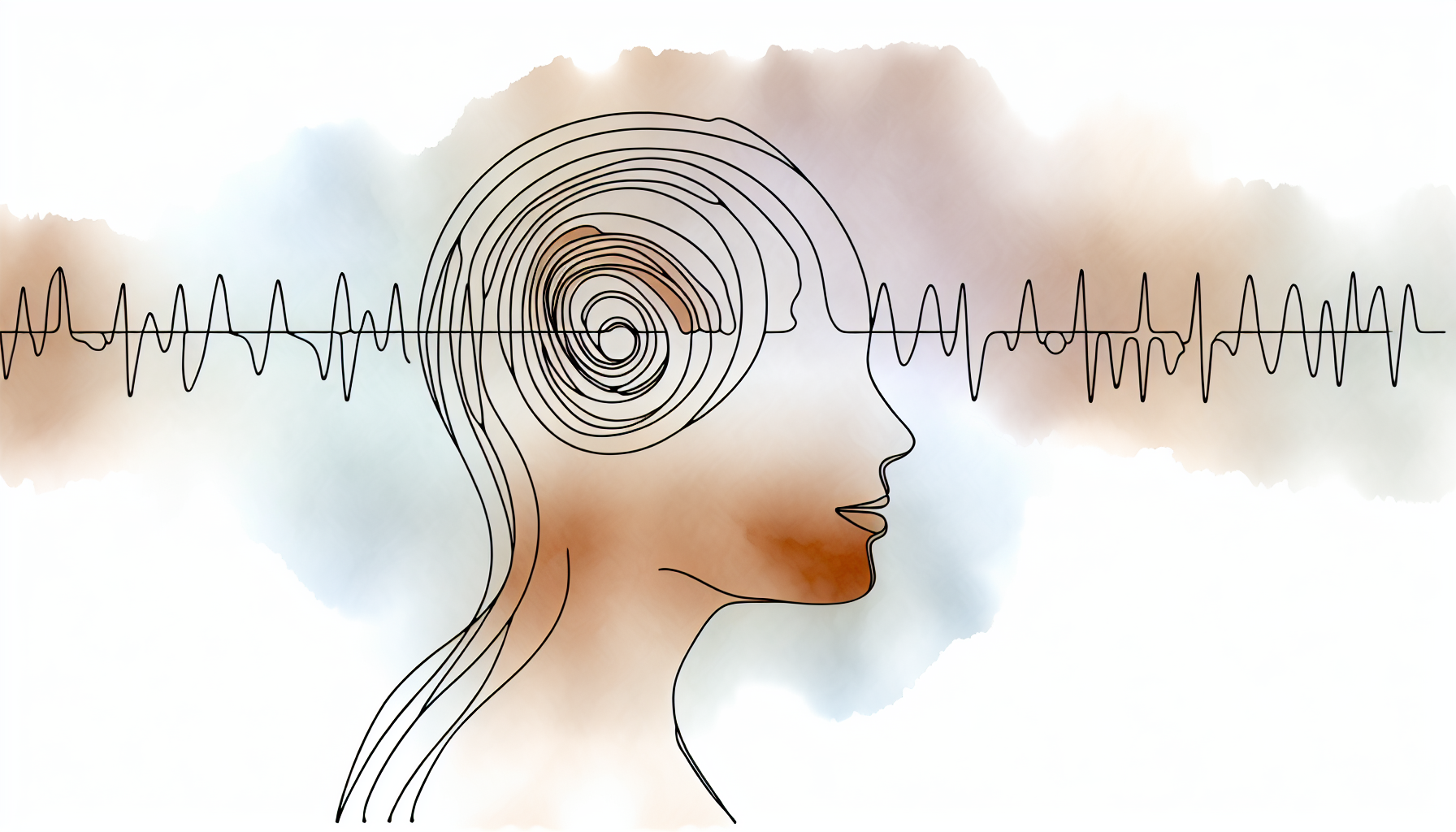
Heart palpitations during menopause have a way of stealing the spotlight.
One second, life is normal. The next, the heart feels like it has taken up tap dancing, fluttering, thumping, or skipping in a way that makes the mind sprint ahead to worst-case scenarios.
The collective experience is often less “Is this real?” and more “Is this dangerous?”
What “heart palpitations” can feel like
“Palpitations” is a catch-all term for noticing the heartbeat in an unusual way.
For some, it is a rapid, buzzy rhythm. For others, it is a heavy thud that lands in the throat, or a brief pause followed by a big compensating beat.
Many people describe it as the heart “flip-flopping” or “skipping,” even when the actual rhythm change is brief.
Organizations like the Mayo Clinic and Cleveland Clinic note that palpitations are common and often linked to things like stress, caffeine, nicotine, hormones, and certain medications.
Why menopause can bring palpitations into the chat
Menopause is not just about periods ending. It is a whole-body transition where hormones shift and the nervous system can become more reactive.
During perimenopause and menopause, fluctuating estrogen levels can influence temperature regulation, sleep, mood, and the body’s stress response.
That matters because palpitations often ride in on the same wave as adrenaline, anxiety, or a hot flash.
The North American Menopause Society (NAMS) and resources like American Heart Association menopause education pages frequently emphasize that menopause can come with noticeable body sensations, and that midlife is also a time to pay attention to heart health patterns overall.
In plain language, menopause can make the body feel louder.
The hot flash and palpitation connection
Hot flashes are not just “feeling warm.” They can involve a sudden surge of heat, sweating, flushing, and a sense of internal alarm.
When the body flips into that moment, the heart can speed up or pound harder.
Some people can predict the sequence: a warm rush, then a flutter, then a spiral of “What is happening?”
The Sleep Foundation and Office on Women’s Health describe how menopausal symptoms often cluster, especially when sleep is disrupted and stress reserves are low.
It is not “all in the head.” It is the body’s alarm system getting a little too enthusiastic.
Common pattern triggers worth noticing
Palpitations are rarely random, even when they feel random.
Pattern observation can turn a scary mystery into a solvable puzzle.
-
Stimulants: Caffeine, nicotine, and pre-workout style supplements can amplify a racing or fluttering sensation. Some people notice a threshold effect, where the third cup is the one that starts the drama.
-
Alcohol: Even small amounts can disrupt sleep and hydration, which can make the heart feel more noticeable the next day.
-
Stress and adrenaline: Tight deadlines, conflict, caregiving, and the mental load can all show up in the chest.
-
Poor sleep: When sleep is fractured, the nervous system gets jumpy. Palpitations can become part of that “tired but wired” loop.
-
Dehydration: Not glamorous, but common. Some people notice palpitations on days with lots of coffee and not much water.
-
Big blood sugar swings: Skipped meals, very sugary snacks, or long gaps between eating can leave the body feeling shaky, jittery, and heartbeat-aware.
The MedlinePlus overview on palpitations lists several of these triggers as common contributors.
When palpitations feel emotionally loud
Palpitations can be physically brief and emotionally long.
There is often a second wave after the flutter: scanning the body, holding the breath, checking the pulse, replaying the moment, and trying to look normal while internally negotiating with the universe.
This is where menopause can feel like a betrayal of the “competent adult” identity.
It is hard to feel grounded when the heart is auditioning for a percussion section.
What usually helps is naming what is happening in real time: “This is a sensation. This is a moment. This is information.” That is not denial. That is steadiness.
Tracking that builds clarity instead of obsession
Tracking can either calm the mind or feed the spiral. The difference is intention.
A simple, low-drama log for two weeks often reveals patterns quickly.
-
Time of day and what was happening right before
-
Food, caffeine, alcohol, and hydration that day
-
Sleep quality the night before
-
Stress level and any hot flash or night sweat nearby
-
How long it lasted and how it resolved
The goal is not perfect data. The goal is noticing repeatable combinations, like “late afternoon coffee plus poor sleep plus a hot flash equals a fluttery evening.”
What usually helps support a steadier baseline
Menopause heart palpitations often respond to the unglamorous basics.
Not because the symptoms are trivial, but because the nervous system loves boring consistency.
-
Gentle hydration routines: A glass of water in the morning and another mid-afternoon can be surprisingly supportive for people who forget to drink until dinner.
-
Caffeine experiments: Some people do best with a smaller dose, earlier in the day, with food. Others feel better after a full break. The body makes the rules here.
-
Evening wind-down cues: Lower light, less doom-scrolling, and a consistent bedtime can reduce the “wired” feeling that makes palpitations more noticeable.
-
Breath and downshifting: Slower breathing, longer exhales, and brief pauses can help the body exit fight-or-flight. Not as a performance, just as a signal of safety.
-
Movement that feels kind: Walking, stretching, and strength work at a comfortable pace can support stress regulation and sleep quality over time.
The National Institute on Aging and Office on Women’s Health both highlight lifestyle habits that commonly support wellbeing during menopause transitions, especially around sleep, stress, and overall health.
When to take the signal more seriously
Palpitations can be common in menopause, but the body also deserves to be taken seriously.
It is worth getting prompt attention if palpitations show up with chest pain or pressure, fainting, severe shortness of breath, or a feeling of sudden weakness.
It is also worth closer attention if palpitations are new, escalating, lasting longer than usual, or happening with dizziness.
The CDC and Mayo Clinic outline warning signs and encourage timely evaluation when concerning symptoms appear.
In the collective experience, reassurance is not something to earn by suffering quietly. It is something to seek when the body asks for clarity.
Making room for both: normal and not-normal
The tricky truth is that menopause can make palpitations more likely, and midlife is also a time when cardiovascular risk factors deserve more attention.
Both can be true without creating panic.
The most grounded approach is curiosity without catastrophizing.
Notice the pattern. Reduce the obvious triggers. Support sleep and stress. And when the signal feels off, get it checked.
There is real courage in that middle path: taking the body seriously without turning every flutter into a life sentence.